The Nay Science offers a new perspective on the problem of scientific method in the human sciences. Taking German Indological scholarship on the Mahabharata and the Bhagavadgita as their example, Adluri and Bagchee develop a critique of the modern valorization of method over truth in the humanities. The authors show how, from its origins in eighteenth-century Neo-Protestantism onwards, the critical method was used as a way of making theological claims against rival philosophical and/or religious traditions. Via discussions of German Romanticism, the pantheism controversy, scientific positivism, and empiricism, they show how theological concerns dominated German scholarship on the Indian texts. Indology functions as a test case for wider concerns: the rise of historicism, the displacement of philosophical concerns from thinking, and the belief in the ability of a technical method to produce truth. Based on the historical evidence of the first part of the book, Adluri and Bagchee make a case in the second part for going beyond both the critical pretensions of modern academic scholarship and the objections of its post-structuralist or post-Orientalist critics. By contrasting German Indology with Plato’s concern for virtue and Gandhi’s focus on praxis, the authors argue for a conception of the humanities as a dialogue between the ancients and moderns and between eastern and western cultures.
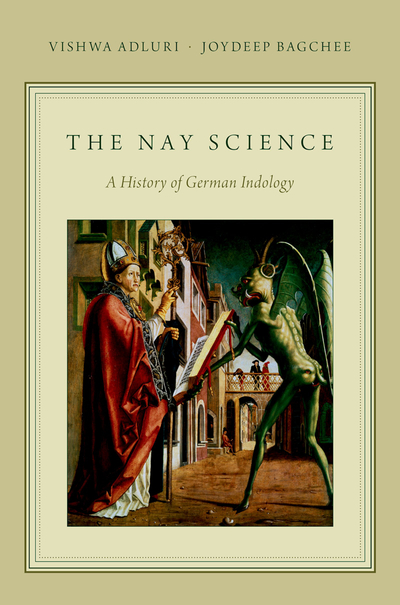
The Nay Science
R806,32
| Authors | |
|---|---|
| Language | |
| Publisher | |
| ISBN | 9780199931354 |
| Number Of Pages | |
| File Size | 8.61 mb |
| Format | |
| Published | 03-06-2014 |